What is Structural Fire Engineering?
Structural Fire Engineering is the field that uses the engineering principles and properties of fire to design stable structures that hold their integrity in fire incidents. Structural consultants use their knowledge to optimise the structure.
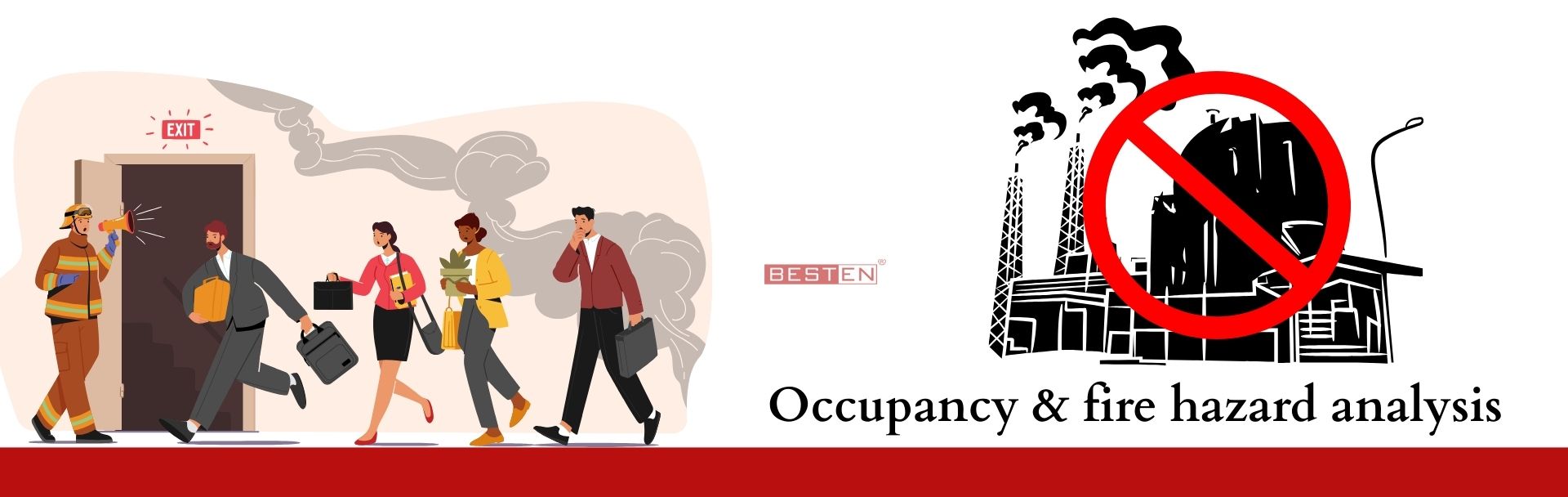
Industrial facilities have separate challenges when compared to residential and commercial buildings. Flammable materials, critical operations, and complex layouts need well-planned fire engineering design. Fire incidents may cause human casualties and property damage. Additionally, in industries, fire impacts production, the environment, and the company’s brand. Fire engineering design ensures that structures maintain their load-bearing capacity. The design also helps ensure the safe evacuation of occupants during a fire incident.
Structural Fire Engineering Design
It provides an analysis of how fire affects a structure. This structural fire engineering design includes the following:
- Analysis of Fire Behaviour: The structural consultants analyse various factors such as how fire starts and spreads in a building and how load, building geometry, and ventilation affect it.
- Heat Transfer: The analysis of the heat transfer to structural elements is essential while designing a building.
- Materials at high temperatures: Structural materials lose strength and stiffness when heated. Incorporating the way a material reacts to high temperatures is essential while designing.
- Structural Response: Assessing the structural response of a material during fire to high temperatures helps evaluate the material selection and prevention of potential structural failures during fire.
The structures are vulnerable to failure due to fire incidents. Traditional fire resistance design is different from structural fire engineering. Fire engineering helps design consultants understand the behaviour of the structures during fire and mitigate the risks by providing protection. Structural fire engineering also helps evaluate the effects of fire exposure and heat transfer conduction. The thermal impact of fire on a structure is difficult to determine in conventional design. However, the conventional design method provides fire protection after optimising for design loads.
Applications
- Structural fire engineering ensures the building is optimised without compromising compliance and safety. Fireproofing is necessary only when the temperature of an unprotected member doesn’t exceed the critical temperature when exposed to fire. This results in cost optimisation.
- The thickness of protective coatings often depends on the level of resistance needed for the project. The type of coating also depends on the aesthetics.
Conclusions
The design consultants understand that structural fire engineering helps address the risks specific to an industry not covered by the codes. The design for industrial projects needs a rounded approach.