Why Planning Your Industrial Project Matters?
After the completion of an industrial project, all that is visible are large buildings and tall steel structures. The planning that goes behind it is often not visible. A project’s success is decided long before the first brick is ever laid. Experienced industrial architects and design consultants understand the importance of planning in industrial projects.
Planning
Planning is the solid foundation for any industrial project. It includes creating a well-worked-out layout, schedule and cost estimate. It’s about looking ahead, thinking smart, and carefully working through every detail. A good plan covers everything from checking the building site to clearly defining what the project needs to achieve. This plan serves as a guide for the project, ensuring that every decision aligns with the project’s goal from day one.
Role of Industrial architects and design consultants in planning
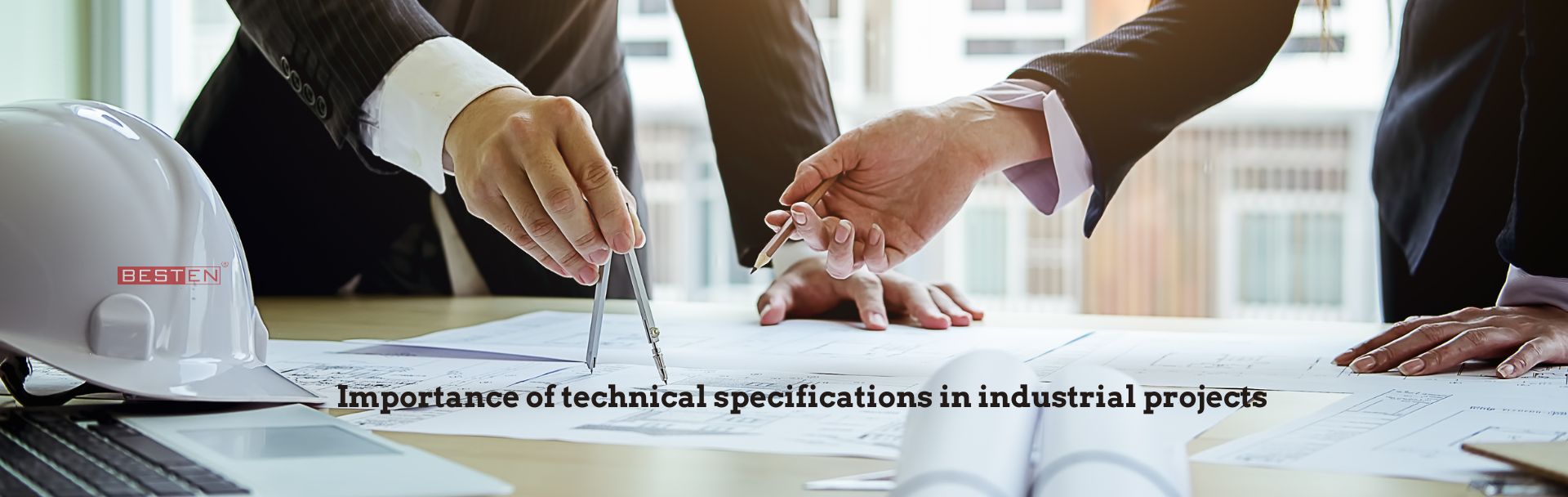
Experienced industrial architects and design consultants are essential for transforming an idea into a tangible, workable blueprint. They are crucial in bringing all different disciplines into a seamless, integrated and holistic design. They also ensure that the design is well-planned and constructible.
Benefits of planning
Experienced industrial design consultants and architects understand the benefits of planning.
- Optimises project expenses
- Helps bring down delays during construction and thus maintains timelines
- It helps ensure a smooth construction and thus a successful project.
Disadvantages of not planning
- A project without planning results in a long list of problems
- To mitigate delays, design changes may be requested, which can also lead to cost overruns.
- To catch up with the schedule, the contractors often overlook safety measures.
Conclusion:
It is necessary to have experienced architects and industrial design consultants on the project’s team. Planning must involve the design consultants and architects to ensure the project’s success. They help with the proper planning of the project and incorporate the client’s inputs into the design.