Can MEP Consultants Optimise Cleanrooms for Medical Device Facilities?
The production of medical devices requires controlled environments that ensure product quality, support operational reliability, and meet stringent regulatory requirements. However, cleanroom performance depends on far more than filtration alone. It requires an integrated design approach that aligns process needs, contamination control, utilities and building services.
The MEP consultants play a crucial role in the design of medical device facilities and cleanrooms. Optimising HVAC systems, coordinating utilities, implementing effective zoning, and planning layouts are some of the ways consultants can help create cleanrooms that are compliant, efficient, and scalable.
Why Cleanroom Design Matters?
Strict control of contamination is essential for any medical device facility. Even minor deviations can affect product safety, performance and compliance.
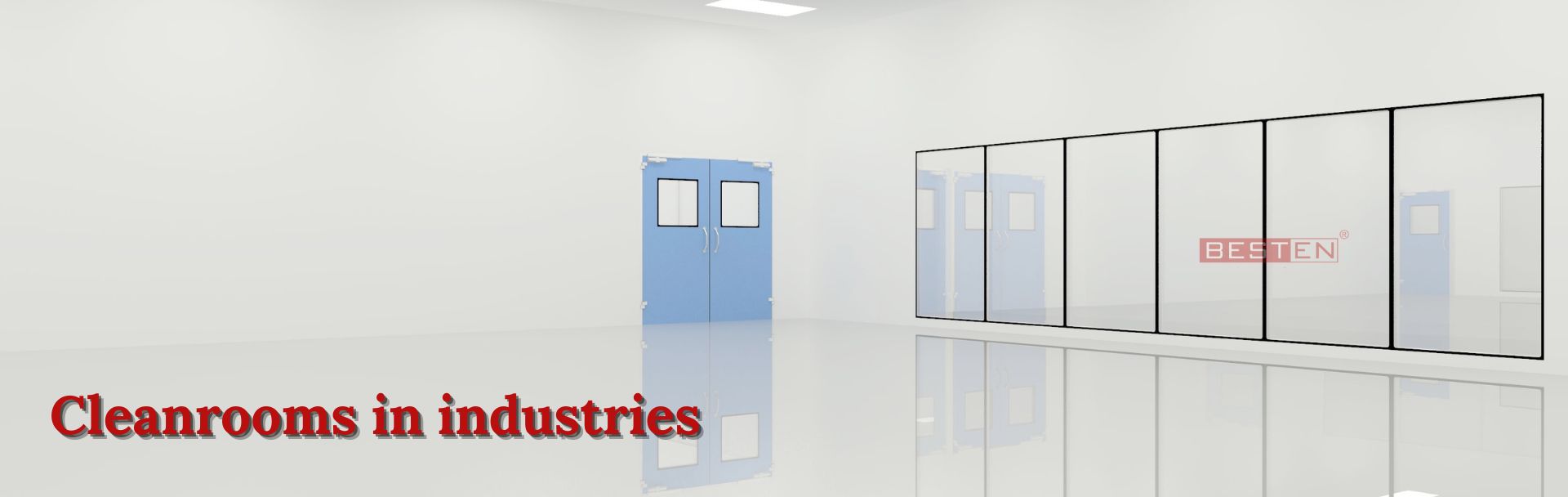
A cleanroom is an enclosed space where the environment is strictly controlled to filter out pollutants and provide the cleanest possible environment. The controls are on airflow and dust particles, temperature, humidity, etc., to ensure the integrity of the manufacturing process. When the MEP consultants design the cleanrooms properly, it helps manufacturers:
- Reduce contamination risks
- Improve process reliability
- Ensure consistent product quality.
- Ensure regulatory compliance
- Improve operational efficiency
What Should MEP Consultants Focus On?
- Aligning Design with Process Requirements: Cleanroom design should begin with a clear understanding of the product, process and contamination risks. Different medical devices need different cleanroom classifications. The consultants must design accordingly or overdesign, which increases both capital and operating costs.
- HVAC Optimisation helps improve Cleanroom Performance: HVAC systems form the backbone of cleanroom performance. MEP consultants must develop integrated solutions that address high-efficiency air filtration, required air change rates, pressure differentials between zones, temperature and humidity control, and airflow patterns that reduce contamination risks. The HVAC systems operate to maintain balance across various environmental conditions and to ensure energy efficiency.
- Designing Efficient Layouts and Controlled Flow: Layout planning influences the contamination control and productivity. An effective cleanroom layout should have separate clean and non-clean zones, thus minimising contamination risks. It must reduce unnecessary personnel movement. The layout must support the logical flow of materials and components and improve operational efficiency. Well-planned layouts support compliance and enhance day-to-day manufacturing performance.
- Integrating Utilities and MEP Systems: Cleanroom performance relies on more than HVAC alone. Utilities such as compressed air, process gases, purified water, vacuum and power systems must be fully integrated into the design. Experienced MEP consultants for cleanrooms add measurable value by designing an integrated utility and MEP system. This ensures seamless operation, system reliability, smooth maintenance, and future expansion.
- Designing for Compliance from the Outset: Compliance today extends beyond passing inspections. Facilities must consistently support product quality throughout their operating life. So. compliance requirements should therefore be integrated early in the design process. Some compliance requirements include monitoring provisions, maintenance access, utility coordination, documentation support and future qualification requirements.
A well-designed facility should be efficient to operate, practical to maintain and adaptable to evolving production needs.
A Structured Approach to Cleanroom Optimisation
A cleanroom design approach typically includes:
- Understanding the manufacturing processes, contamination risks and mitigating them in the design
- Creating the appropriate cleanroom classification
- Planning layouts for zoning and controlled movement
- Designing integrated MEP systems for environmental control and utilities
- Incorporating compliance and validation requirements from the beginning
A non-sterile device facility may require a very different cleanroom strategy from one manufacturing implantable products. Furthermore, the design must always align with product requirements and long-term operational goals.
Better Facilities, Better Outcomes
Optimised cleanroom design delivers benefits beyond compliance. It can help manufacturers achieve the following:
- Greater operational efficiency
- Reduced downtime and maintenance issues
- Consistent product quality
- Lower lifecycle costs
- Facilities ready for future growth
By combining cleanroom engineering, industrial facility planning and coordinated building services, MEP consultants can help develop medical device facilities that are practical, compliant and future-ready.
FAQ Section
What cleanroom class do medical device facilities typically require?
The classification of cleanrooms for Medical device facilities depends on the product to be manufactured. Typically, they have cleanrooms ranging from ISO Class 5 to 8, depending on product risk, sterility requirements, and process sensitivity.
Why is HVAC design critical in cleanrooms?
Parameters such as filtration, temperature, humidity, air changes, and pressure differentials directly influence contamination control and product quality. HVAC systems help manage these crucial parameters. This makes the HVAC system critical for cleanrooms.
How does layout affect cleanroom performance?
A proper layout helps create buffer zones between controlled and uncontrolled zones. Layouts reduce contamination pathways and help the efficient movement of personnel and materials.
When should compliance planning begin?
Compliance with statutory regulations must be part of the conceptual design to avoid costly redesigns and ensure quality is built into the facility from the outset.
Can cleanroom design improve production efficiency?
Yes. Optimised layouts, integrated utilities, and reliable MEP systems improve workflows, reduce downtime, and support scalable manufacturing operations.