
Defence Manufacturing Factory Design in India
The Defence Corridor DCR and local compliances ensure that standards, codes, safety, and security are part of the design. In addition, efficiency, scalability, and sustainability are crucial. However, unlike typical factories, factories in the defence corridor require specialised layouts that ensure strict safety, demarcated areas, access control, infrastructure based on production requirements, safety distances, special buildings for artillery and explosives, utility requirements, and growth potential. These facilities integrate production, logistics, utilities, R&D, warehousing, and workforce support into a holistic operation.
Strategy defines the success of the Defence Factory
The factories in the defence corridor need proper zoning and land use to manage assembly, hazardous zones, storage, testing, R&D, and logistics. Regulations designate zones for isolating risks while optimising flow. These environmental controls, security, utilities, and access, emergencies, materials, and shipments are crucial to a facility in a defence corridor.
A Good Infrastructure is Essential
In any industry, proper Infrastructure is core; defence factories are no different. The infrastructure design ensures a functional, reliable facility to maintain continuous, consistent output. Infrastructure in the defence manufacturing industry includes reliable, high-capacity power; substations; back-ups; compressed air; process utilities; fire risk management systems; internal roads; access roads; drainage; stormwater drains; trenches; utility support racks; access control; perimeter protection as per defence DCR; and parking. Integrating sustainability in defence factories during design is possible through initiatives such as rainwater harvesting, EV charging points, green buildings, and solar systems. This reduces outages, simplifies maintenance, and enables expansion.
Safety is a priority
Safety is a key feature of any defence industry. In the defence-related industry, product design, explosives and chemicals are crucial and require a safe facility. Safety includes a safe work environment and protection from theft and accidents. Additionally, layouts integrate operational and structural protections. Other critical elements include fire systems and emergency access; blast-resistant features; segregation setbacks; evacuation and refuge areas; ventilation and smoke extraction; heavy-load structural integrity; and hazard storage and handling zones. Moreover, these features help comply with regulations, cut risks, and ensure reliability.
Sustainability in a Defence Factory
Defence corridor factories embrace green standards to optimise energy, water, waste, and emissions. Key sustainability-integrating features include solar power, rainwater systems, landscape design, natural ventilation, and efficient buildings.
The Defence Manufacturing’s Future depends on intelligent facility design
The success of a facility rests on ecosystem-integrated factory design. The design must strike an appropriate balance among efficiency, safety, infrastructure, compliance, scalability, and sustainability. Defence factories typically must have the following features:
- Perimeter Protection: The premises must be properly protected with a boundary wall, concertina wire, etc., to ensure they remain secure at all times.
- Access Control: Access control at designated points to prevent unauthorised entry into the facility or designated areas. Biometric scanners for key production areas are a must.
- Surveillance Systems: Placement of cameras at strategic locations for indoor, outdoor, and perimeter monitoring is essential. The use of PTZ (Pan, Tilt, and Zoom) cameras is recommended in some areas. There should be a location for 24 hrs monitoring of these cameras. Tracking material movement is also essential.
- Quality power: The power supply must be guaranteed and high-capacity to ensure seamless production and a quality product.
- Water supply: Water for both potable and process requirements must be from a reliable source to ensure an uninterrupted supply.
- Other Utilities: Utilities such as compressed air, PNG, ETP, and LPG depend on availability in the neighbourhood.
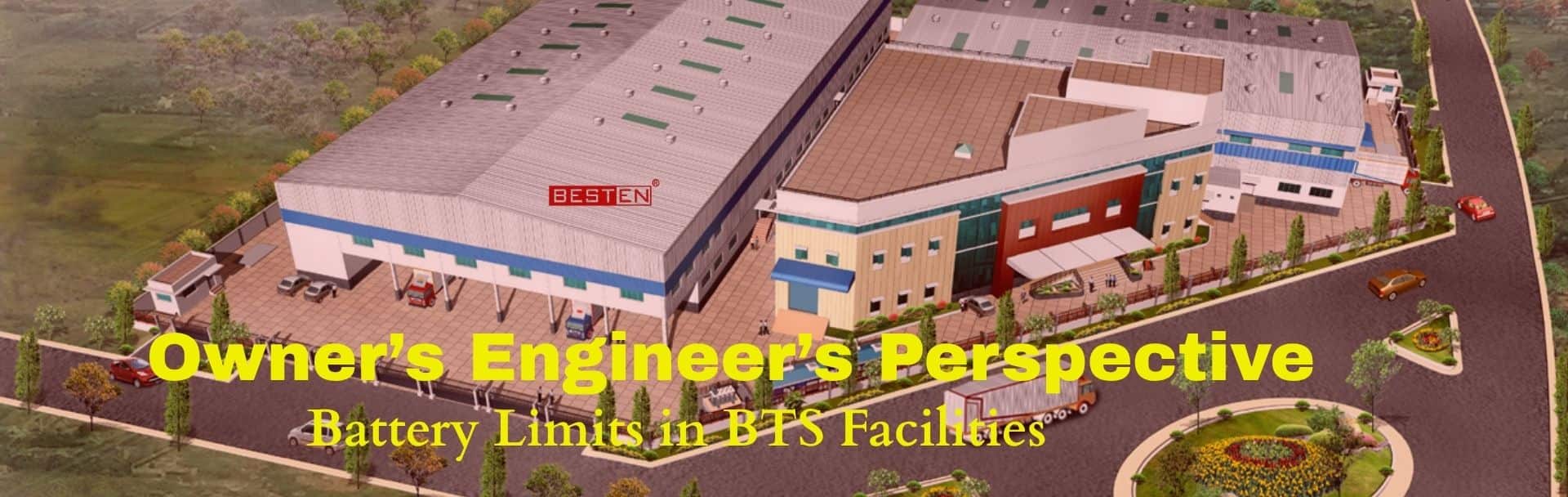
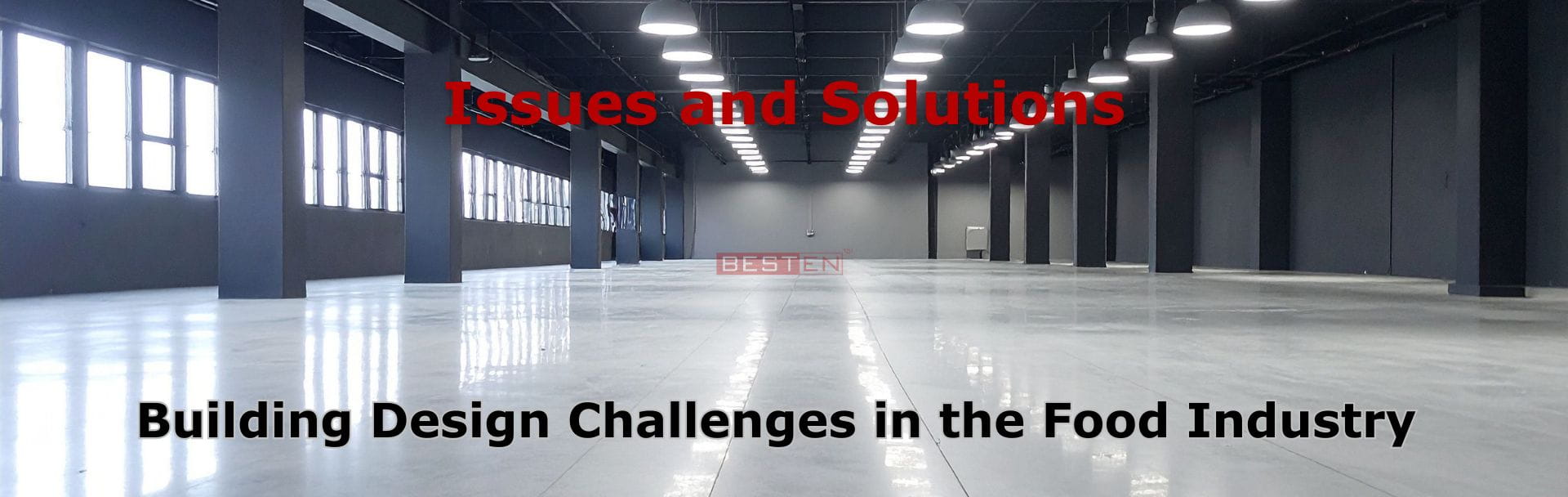
- Ready-To-Move Factory: Ready-to-move factories with bare shells reduce construction time.
- Factory-ready sites: Some industrial areas have sites ready to construct, with proper industrial infrastructure in place, reducing the time required for site development.
- Cluster Proximity: Factories within an industrial area or in an organised cluster help enable synergies with other suppliers and R&D centres.
- Layout & Functional Efficiency: The facility must have a well-planned, unidirectional material flow to reduce cross-traffic and maximise safety.
- Provision for Expansion: Design consultants must incorporate the expansion plans in the master plan. Built-in capacity to expand helps accommodate future growth and increased production.
- Space for maintenance: It is essential to have space for maintenance around machinery.
- Compliance: Specialised storage and production areas are required for explosives, chemicals, and high-sensitivity equipment.
- Safety: Defence industries must adhere strictly to security procedures, including designated safe rooms and secure document storage.
Why is factory design important in a Defence Corridor?
Factory design ensures compliance, safety, security, optimised layout and future scalability for defence manufacturing operations.
What are the key features of Defence Corridor factories?
Some features of defence corridor factories include perimeter security, access control, surveillance systems, utility infrastructure, hazardous-material handling, and efficient layouts.
How do Defence Corridor factories ensure safety?
These factories use blast-resistant construction, fire safety systems, segregation zones, emergency exits, and secure storage for sensitive materials.