What is a Computer Room Air Conditioning (CRAC)?
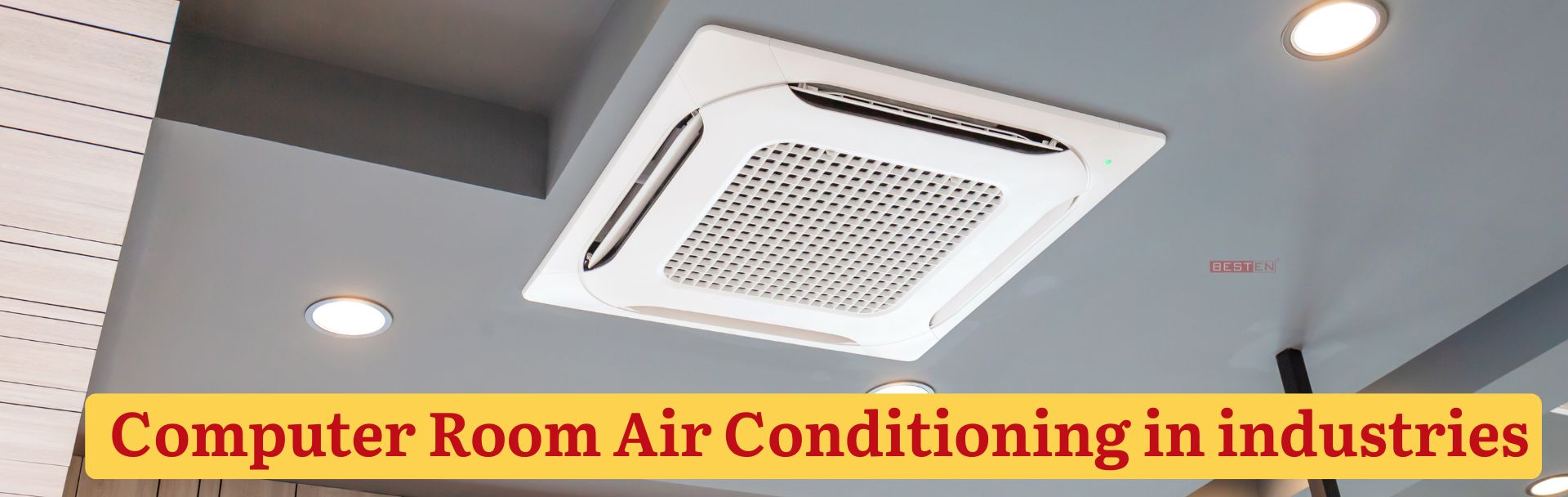
Computer room in-rack AC systems are cooling units that monitor and maintain temperature, humidity, and air distribution in a network or server room. These systems are mounted directly inside a server rack or are placed in close proximity to it. Maintaining stable temperature and humidity levels is essential for uninterrupted operation.
The Industrial HVAC Consultants use these units to ensure controlled humidity levels. Low humidity can cause static electricity buildup, resulting in electrostatic discharge (ESD) that potentially could damage electronics in computer equipment, and water vapour buildup, which can cause short circuits and corrode equipment. Computer room air conditioning units operate using a mechanical refrigeration cycle in which air is blown over a cooling coil filled with refrigerant, which is kept cold by a compressor.
The location of the units depends on the project requirements. Usually, it is through a raised floor. The cooling air rises from perforated floor sections on an elevated floor. The cold air picks up heat and exits from the rear of the rack. The warm air exits through the aisles and returns to the CRAC intakes. These aisles, both hot and cold, help move the cold air from beneath the raised floor and through the racks into the system’s intake vents. The amount of cooling needed is directly correlated to the power consumption of servers, networking, and storage.
How to choose the Right CRAC Unit?
The choice of the right CRAC unit depends on the project’s needs. The right unit ensures the longevity and efficiency of the equipment. Some of the factors that HVAC consultants consider are:
1. Room size
2. Cooling capacity
3. Noise levels
4. Energy efficiency ratings
5. Maintenance requirements
6. Ventilation considerations
Key features and benefits that HVAC Consultants Consider
CRAC units are essential to computer rooms, server rooms, and network rooms. Some benefits are as follows:
1. Direct cooling: The CRAC unit delivers cold air directly to the servers within the rack, ensuring no wastage of air.
2. Temperature control: The unit ensures specific temperature and humidity levels, protecting sensitive electronics from thermal spikes and other environmental issues.
3. Energy efficiency: The CRAC unit is more energy-efficient than cooling a large room, especially for high-density racks.
4. Scalability: It is a scalable solution
5. Continuous operation: CRAC units are for 24×7 operation, supporting critical working environments and ensuring minimal downtime.
6. Cooling medium: Depending on the model, it can use chilled water or refrigerant as the cooling medium.
What are the Components of a CRAC unit?
CRAC units include the following components:
1. Refrigerant: A chemical compound is used as a coolant in CRAC and air conditioners.
2. Cooling coils: The cooling coils contain the refrigerant that cools the air.
3. Compressors: The compressor helps pump the refrigerant in the coil.
4. Air filters: These filters remove impurities and enhance air quality by capturing dirt that accumulates or travels through a CRAC unit. Periodic and regular maintenance of these filters is essential for optimal performance.
5. Electronically commutated fans: These fans blow cool air while producing less heat.
6. Humidifiers and dehumidifiers: They cool and dehumidify the air. While the humidifiers increase the moisture content of the air, the dehumidifiers remove water vapour from the air.
7. Condensers: They help release the heat generated during the cooling process.
Conclusion
To conclude, in-rack AC systems for computers are essential in server rooms, data centres, and other environments, and industrial HVAC consultants must ensure appropriate systems are in place to meet project requirements.