Design Challenges in the Food Industry
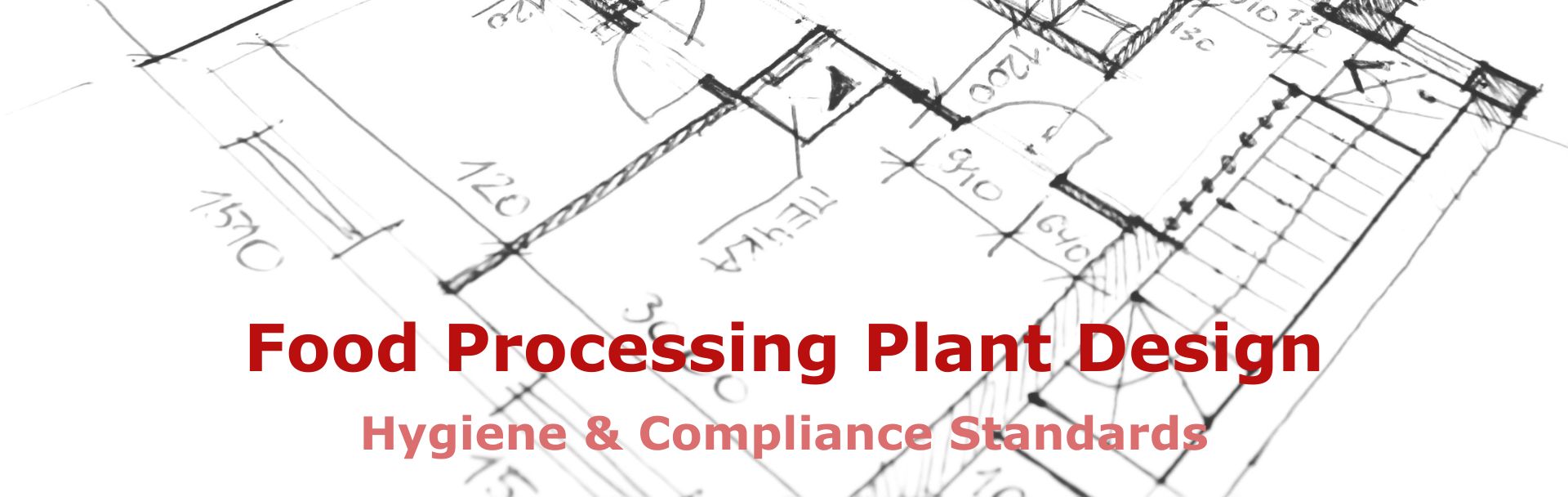
Food facility design directly influences the product quality, operational efficiency, regulatory compliance, and long-term business performance. Needless to say, the building is an integral part of the manufacturing system. For food manufacturers, the challenge lies in creating facilities that simultaneously support smooth production, strict hygiene control, and future scalability. Poorly planned facilities can lead to contamination risks, inefficient workflows, excessive maintenance, compliance gaps, and expensive operational disruptions.
What are the major building design challenges in the food industry?
1. Zoning of areas:
A critical aspect for the food industry is establishing effective hygienic zoning. The entire process from raw material receipt, preparation, processing, packaging, cold storage, and waste handling must be segregated to prevent cross-contamination. In facilities with improper zoning, there is a risk of uncontrolled personnel and material movement, increased contamination, and compromised food safety. Whereas, well-planned zoning helps comply with food safety protocols and audit readiness.
2. Drainage Systems and Sanitary Floor
Drainage is a critical but underestimated aspect of food plant design. Facilities that involve wet processing and frequent cleaning require a properly designed drainage system with correct slope and manholes. A properly designed sanitary floor and drainage system improves hygiene while reducing maintenance challenges. But inadequate drainage systems often lead to water stagnation, microbial growth, slip hazards, and sanitation concerns.
3. Material and Personnel Flow Planning
Process layout and a study of man and material movement are essential for any food industry. This helps reduce unnecessary manpower in the facility and ensures efficient movement of raw materials, finished goods, waste streams, and personnel. A poorly designed layout can create intersecting flows, bottlenecks, and contamination risks. An optimised facility layout should support logical process flow, minimise cross-traffic, and improve productivity while maintaining segregation between clean and less-clean operations. Buffer zones and change rooms must be provided as needed by the process.
4. Environmental and Temperature Control
Some food sectors, such as dairy, frozen foods, ready-to-eat products, beverage plants, and bakery facilities, each require tailored control of temperature, humidity, pressure differentials, and airflow. The HVAC, building envelope, and insulation system designs must align with the process requirements. This alignment helps get a quality product, a longer shelf life, and compliance. Food factories must incorporate environmentally friendly practices into their designs to improve sustainability.
5. Cleanability and Hygienic Construction Materials
Incorporating GMP-compliant design helps the facility produce quality products. GMP & Hygiene-related design principles should be incorporated from the outset rather than as an afterthought. Food industries need surfaces and finishes that are durable, non-porous, corrosion-resistant, and easy to sanitise. Proper detailing of wall-floor junctions, easily cleanable corners and proper material selection all help maintain the hygiene standards.
Does building design directly affect food safety?
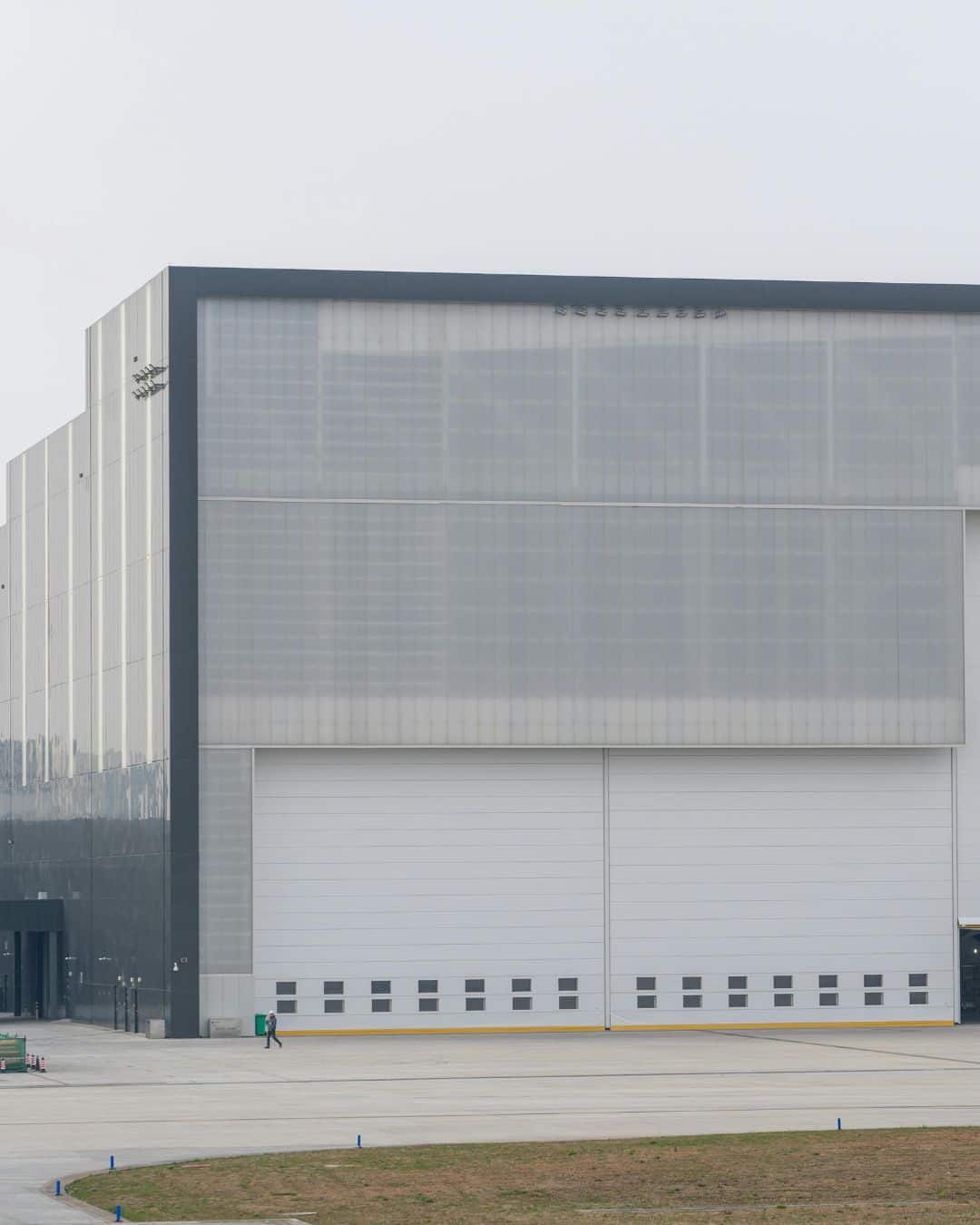
In food processing, the facility is not simply a structure for operations. It influences manufacturing outcomes. Floors, walls, ceilings, ventilation systems, access control, and utility routing are sources of contamination. Thus, preventing contamination and preserving the product’s integrity are essential. A poorly designed building makes housekeeping difficult, increasing the risk of contamination. A retrofit is costly and disrupts production.
What utility and compliance challenges must be addressed?
The following challenges are common in food facilities:
- Utility Integration: Food facilities rely on coordinated utility infrastructure, including:
- Process water systems
- Steam distribution
- Refrigeration systems
- Compressed air networks
- Power distribution
- Wastewater management systems
Proper integration of utilities with the process is essential to prevent unplanned downtimes, inefficient operations, and scalability constraints.
Regulatory Compliance
Regulatory compliance is another critical requirement for the food industry. Food facilities must comply with GMP standards, food safety standards, statutory building regulations, fire and life-safety provisions, sanitation requirements, and industry-specific compliance expectations. Compliance with standards, codes and regulations from the outset reduces operational risk and supports smoother certification and inspection processes.
How can food facilities be designed more effectively?
An effective facility design has to balance hygiene, operational performance, and adaptability. Current-day facilities incorporate modular planning, flexible layouts, future utility planning, scalable HVAC systems, and risk-based hygiene zoning. When these factors are considered early in project planning, facilities become more resilient, efficient, and cost-effective over their lifecycle.
Conclusion
Building design especially for the food industry has challenges, including hygienic zoning, drainage, airflow management, material flow, and utility coordination. A strategic facility design can strengthen food safety, improve operational efficiency, and support long-term manufacturing growth.
FAQ
What are the biggest building design challenges in food manufacturing?
The major challenges include hygienic zoning, drainage, environmental control, material flow, cleanability, and regulatory compliance.
Why is layout planning important in food facilities?
The layout affects contamination, process efficiency, material movement, and overall plant productivity.
Why is drainage critical in food processing plants?
Proper drainage prevents water accumulation, improves sanitation, reduces hazards, and supports hygienic operations in a food facility.
Can poorly designed food facilities be upgraded later?
Yes, but retrofits are often expensive and disruptive. Correctly designing food facilities at the outset is usually far more effective.