Role of Seismic Standards in Industrial Building Design
Seismic standards play a vital role in designing industrial buildings to ensure their safety and durability. The statutory norms provide guidelines to help ensure that industrial structures resist earthquake forces, thereby protecting both infrastructure and personnel from potential disasters.
What Are Seismic Design Standards?
Seismic standards establish protocols for constructing industrial buildings that can withstand forces generated by seismic activity. The National Building Code of India provides guidelines for determining seismic risks, designing structures, and mitigating risks. While IS 1893 is the main code, IS 1893 Part 1 provides the seismic map and zoning, categorising areas into Zone II (low risk), Zone III (moderate risk), Zone IV (high risk), and Zone V (very high risk).
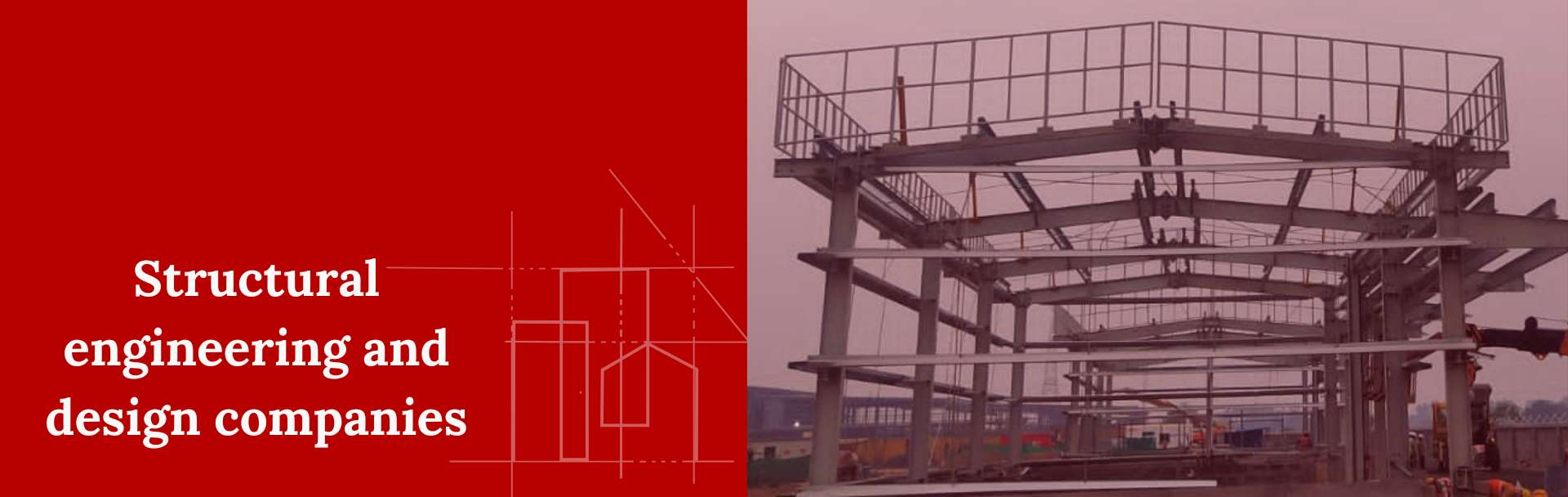
The structural consultants start the design process by understanding the seismic zone, soil conditions and the project requirements. After the assessment, the consultants chose the structural system for the project.
Safeguarding Critical Industrial Elements
Manufacturing facilities are challenging owing to the machinery, heavy equipment, presence of hazardous materials, workforce and high capital expenditure. The structural design must ensure the protection of the industrial elements.
Structural Integrity
-
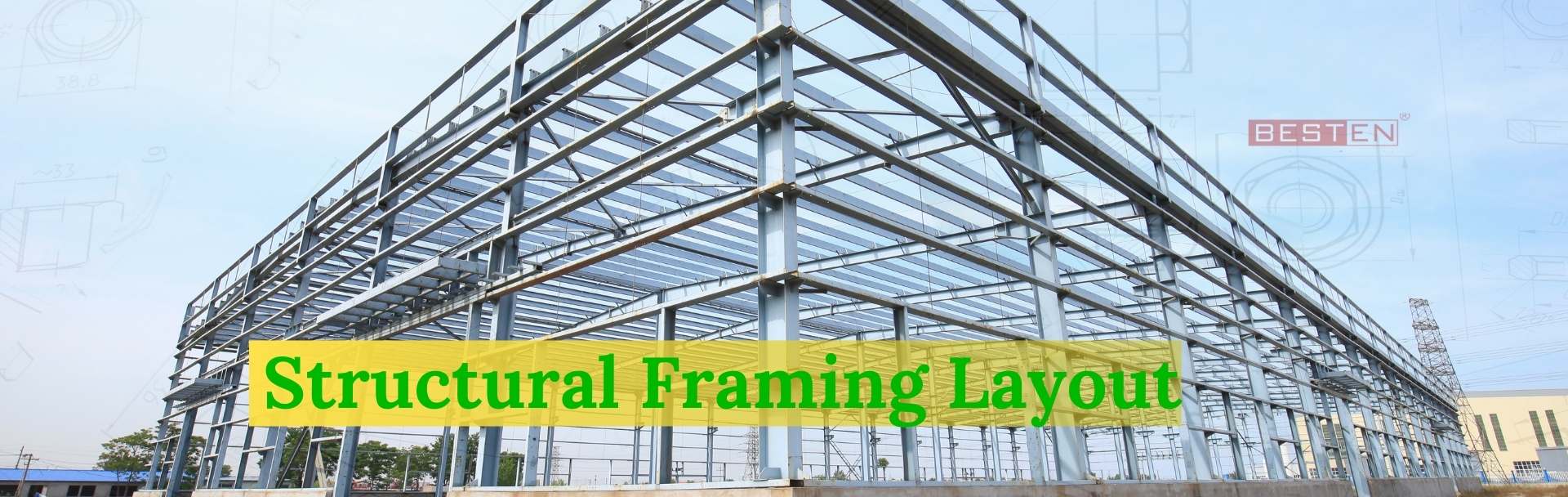
Lateral Load Management: Using bracing systems, shear walls, and moment-resisting frames to counteract seismic forces
-
Ductility Requirements: Designing structural components that can flex and absorb earthquake energy without failing, as outlined in IS 13920
-
Foundation Design: Ensuring stable foundations that can transmit seismic stresses without damage
Protection of Non-Structural Components
There are non-structural elements in industries that must be secured in place to prevent leakage and injuries, or other mishaps, during seismic activity. Flexible connections in piping and conduits help avoid structural failures and environmental risks.
Benefits Beyond Safety
Incorporating seismic standards in industrial building design is essential not only in terms of the safety of property and workforce, but it also reduces the downtime after a seismic activity and damage costs. Facilities built to resist seismic events maintain structural integrity in moderate quakes, safeguarding production and critical infrastructure.
Compliance as Strategic Planning
Following seismic standards goes beyond mere regulatory obligations; it is a strategic investment in the longevity and safety of industrial facilities. These regulations provide tested methods to build earthquake-resistant structures that protect lives, minimise asset loss, and keep industrial operations functional in the aftermath of seismic events.
Modern industrial designs increasingly adopt advanced systems, such as base isolators and energy dissipators, to add an extra layer of seismic protection, ensuring that facilities meet evolving safety standards while maintaining operational efficiency.
Conclusion
The importance of adhering to seismic standards in industrial building design cannot be overstated. It directly influences the safety, sustainability, and operational resilience of industrial facilities. However, achieving a balance between strict regulatory compliance and effective seismic risk mitigation requires expert guidance. Skilled and experienced structural consultants play a crucial role in this process. They bring their deep knowledge of seismic engineering and practical design solutions. Such consultants ensure that industrial projects not only meet all necessary codes but also incorporate innovative strategies to minimise risk. Additionally, this step optimises costs and enhances long-term safety.